Bark Scorpion vs. Regular Scorpion: How to Tell the Difference
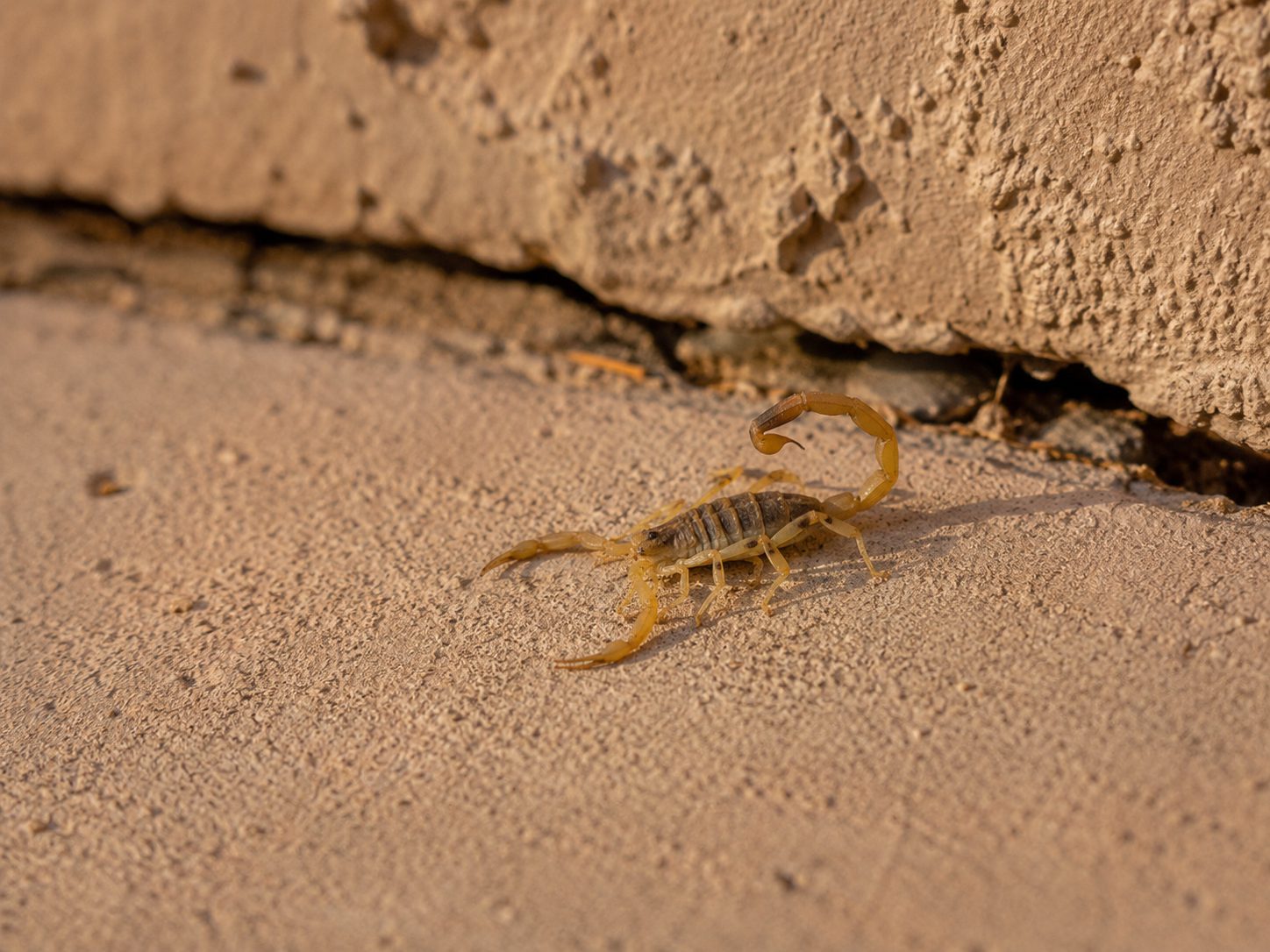
An Arizona bark scorpion is usually smaller, lighter tan or yellowish, slimmer, and more likely to climb walls or show up inside homes than many “regular” desert scorpions. If you find scorpions indoors, especially in bedrooms, bathrooms, garages, or near baseboards, treat it as a serious pest-pressure issue instead of trying to identify every scorpion from across the room.
The most important thing is not winning a scorpion trivia contest. It is reducing how scorpions get in, where they hide, and what they are eating. Redline Pest Control focuses on exclusion, prey reduction, harborage reduction, and targeted scorpion control for Arizona homes.
Why bark scorpions get so much attention
Arizona has multiple scorpion species, but the bark scorpion is the one homeowners hear about most. University of Arizona resources describe the Arizona bark scorpion as the most commonly encountered house scorpion in the region. It is also the scorpion most associated with medically important stings in the United States.
That does not mean every sting is an emergency, but it does mean families with kids, pets, older adults, or anyone with health concerns should take indoor scorpion activity seriously.
How to identify a bark scorpion
Bark scorpions are often light tan or yellowish and more slender than many other scorpions. They can look almost translucent under normal light and glow under a UV blacklight. They are good climbers and may be found on walls, block fences, ceilings, furniture, shoes, towels, bathrooms, and garage areas.
Other scorpions may look darker, stockier, or more ground-oriented. But color and size can vary, and a quick photo in bad lighting can be misleading. If you are not sure, assume caution.
Where scorpions hide around Arizona homes
Scorpions like protected spaces: block walls, cracks, pavers, landscape rock, palm debris, irrigation boxes, garage corners, sheds, patio furniture, pool equipment, and construction gaps. Indoors, they may show up in bathrooms, laundry rooms, closets, bedrooms, and garages.
In East Valley neighborhoods, scorpion pressure often rises around block walls, new construction, desert edges, irrigated yards, and homes with cricket activity. That is why service in Queen Creek and Gilbert often needs to look beyond the inside baseboards.
Why spray alone is not enough
University of Arizona scorpion resources emphasize that scorpions are difficult to manage with insecticides alone. That matches real-world experience. Scorpions hide in cracks and protected spaces, and they can keep entering if the property has openings, prey insects, and harborage.
A stronger plan includes sealing, door sweeps, reducing crickets and roaches, removing clutter, inspecting block walls, and targeted treatment where scorpions live and travel.
DIY steps to reduce scorpions
Start with exclusion. Replace door sweeps. Seal garage gaps. Check weatherstripping. Repair torn screens. Seal utility penetrations and obvious cracks. Move storage away from walls and get cardboard off garage floors.
Then reduce hiding places outside. Remove debris, trim plants away from the home, avoid stacking materials against walls, and check patio furniture and outdoor toys. Use a UV blacklight at night to inspect block walls, patios, and garage edges.
Finally, reduce prey. If you have lots of crickets, roaches, and other insects, scorpions have food. That is why general pest control supports scorpion control.
When to call a pro
Call Redline Pest Control if you find scorpions indoors, if you see several outside, if activity continues after sealing and cleanup, or if your home has children, pets, or high-risk family members. Also call if you live near construction, open desert, irrigated common areas, or block walls with heavy pest activity.
Professional scorpion control may include exterior treatment, block-wall and crack focus, garage and threshold attention, prey reduction, exclusion advice, and follow-up. It is not just a baseboard spray.
CTA
If you are trying to figure out whether you found a bark scorpion or another scorpion, call or text 480-960-2010. Send Redline a picture and we can help you think through the next step.
Learn more about scorpions, scorpion control service, cricket control, cockroaches, and local service in Gilbert, Queen Creek, Chandler, and Mesa.
FAQs
What does an Arizona bark scorpion look like?
Arizona bark scorpions are usually small, light tan to yellowish, with a slimmer body and tail than many other scorpions. They are commonly found around homes in the desert Southwest.
Are bark scorpions dangerous?
Bark scorpions are the Arizona scorpion homeowners worry about most because their stings can cause more serious symptoms than many other local scorpions. Seek medical help for severe symptoms or high-risk individuals.
Can regular pest spray eliminate scorpions?
Spray alone is usually not enough. Scorpion control works best when it includes exclusion, harborage reduction, prey reduction, monitoring, and targeted treatment.
When should I call Redline for scorpions?
Call when you find scorpions inside, see multiple scorpions outside, have children or pets, or live near block walls, irrigation, open desert, construction, or heavy cricket activity.
Suggested internal links
Get Your Free Quote
Tell us about your home and we’ll text you a quote, usually the same day. $50 to $100 off your first service for new customers.
- No surprise door charges
- Pet- and family-friendly treatments
Request a Free Quote
We’ll get right back to you, usually the same day.