Types of Ants in Arizona and Which Ones Bite
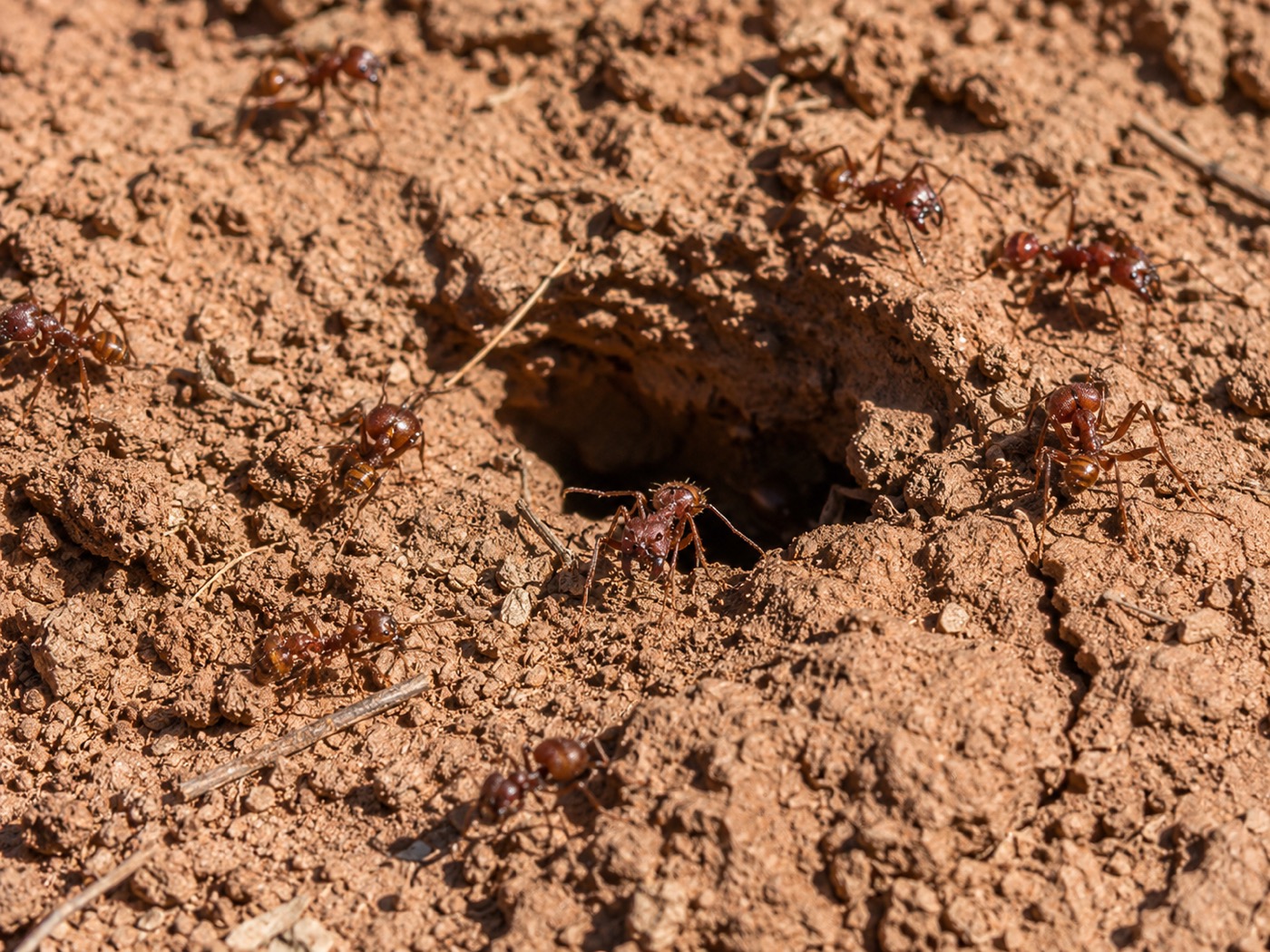
The most common ants Arizona homeowners notice are small house ants in kitchens and bathrooms, larger ants trailing outside, and mound-building ants in yards or landscape rock. Some Arizona ants can bite or sting, so do not kick, flood, or disturb a mound until you know what you are dealing with.
The practical answer is this: small indoor trails usually need sanitation, sealing, and bait; outdoor mounds or aggressive ants need identification and a more careful treatment plan. Redline Pest Control can help identify the ant pressure around your home and choose a control method that fits the species and the property.
Why ant identification matters
Not all ants act the same. Some prefer sweets. Some prefer grease or protein. Some nest outdoors and only enter for food or water. Some create visible mounds in the yard. Some split into new colonies when handled incorrectly. That is why the best ant control starts with watching the behavior, not just grabbing a spray can.
In the East Valley, ant problems often show up around kitchens, bathrooms, laundry rooms, pantries, pet bowls, garages, patios, irrigation boxes, pavers, turf edges, block walls, and landscape rock. Those areas tell you what the ants are trying to get: food, moisture, shade, or a protected path into the home.
Common Arizona ants homeowners may see
Small house ants
These are the tiny ants people usually notice on counters, near sinks, around pet food, inside pantries, or along baseboards. They are often more of a nuisance than a danger, but they are frustrating because the trail can reappear after you wipe it away.
For these ants, the best first step is to follow the trail, clean the food source, seal obvious gaps, and use bait carefully. Spraying the visible ants may make you feel better for ten minutes, but it often fails because the colony remains active.
Odorous house ants and similar nuisance ants
Some small ants release a noticeable smell when crushed. Homeowners often describe these as little black or brown ants near kitchens, bathrooms, and moisture sources. The exact species can be hard to confirm without magnification, but the treatment logic is similar: find the trail, remove attractants, and use a method that reaches the colony.
Harvester ants
Harvester ants are larger ants that may build noticeable cleared areas or mounds outside. They can bite and sting, and their stings can be painful. Do not let kids or pets play around active mounds. If you see a large outdoor nest with aggressive ants, avoid disturbing it and call a professional.
Carpenter ants
Carpenter ants are an occasional structural concern in some Arizona homes, usually around moist or damaged wood. They can excavate galleries in softened or decaying wood. If you see large ants and sawdust-like material near wood, trim, patios, or moisture damage, get it inspected.
Fire-ant-like ants
Arizona can have ants that bite or sting and may be confused with fire ants. The safe rule is simple: if the ants are aggressive around a mound, do not disturb the nest. Keep children and pets away, take a photo from a safe distance, and get help.
Which Arizona ants bite or sting?
Any ant with jaws can technically bite, but homeowners usually care about ants that cause painful bites or stings. Harvester ants and aggressive mound-building ants are the big concern. Large ants around outdoor nests should be treated differently from tiny kitchen ants because the risk and colony behavior are different.
If someone has a strong reaction to a sting or bite, seek medical advice. For the pest-control side, avoid disturbing the nest and schedule service.
DIY steps for ant problems
Start by identifying the location. Are the ants inside, outside, or both? Then watch the trail. Clean with soap and water after you document the path. Remove crumbs, sticky spills, pet food, open pantry items, and trash buildup. Check for moisture under sinks, around dishwashers, near refrigerator lines, around toilets, and outside near irrigation.
Then decide whether bait makes sense. Bait is often a good DIY option for small trailing ants because the workers can take it back toward the colony. Do not spray on top of bait. Keep all products away from children and pets and follow the label.
Outside, check pavers, block walls, irrigation boxes, landscape rock, patio cracks, turf edges, and foundation lines. If the ants are aggressive or the mound is large, stop there and call a professional.
When to call a professional
Call when ants come back after baiting, when you have several trails, when you see mounds, when ants are in multiple rooms, when you are worried about biting or stinging ants, or when the trail seems to be coming from inside a wall.
Redline Pest Control treats ants throughout Queen Creek, Gilbert, Chandler, Mesa, and nearby East Valley areas. We can identify the pressure, treat the right zones, and help you reduce the conditions that keep ants coming back.
For more help, read How to Get Rid of Ants in Queen Creek, AZ or How to Get Rid of Ants in Gilbert, AZ. You can also review general pest control, cricket control, cockroach control, and scorpion control because these pests often share entry points.
CTA
If you are not sure what type of ant you have, call or text 480-960-2010. Send us a photo of the ant, trail, or mound, and Redline can help you figure out the next step.
FAQs
What ants bite in Arizona?
Several ants can bite or sting depending on the species, including harvester ants and fire-ant-like species. If you are not sure what ant you have, avoid disturbing the mound and get it identified.
Are small kitchen ants dangerous?
Most small kitchen ants are mainly a nuisance, but they can contaminate food areas and may keep returning if the colony is not addressed.
Can I identify ants from a photo?
A photo can help, especially if it shows the ant, the trail, and the nest area, but accurate identification may require a close look at the body shape, size, color, and nesting pattern.
Does Redline treat different ant species differently?
Yes. The best approach depends on whether the ants are nesting outside, trailing indoors, building mounds, feeding on sweets, feeding on grease or protein, or entering through moisture-prone areas.
Get Your Free Quote
Tell us about your home and we’ll text you a quote, usually the same day. $50 to $100 off your first service for new customers.
- No surprise door charges
- Pet- and family-friendly treatments
Request a Free Quote
We’ll get right back to you, usually the same day.